Should I use the equity in my Salt Lake City home to buy a second home in Park City, or should I wait until rates drop in 2026?
For most Salt Lake City homeowners sitting on significant equity, waiting for a rate drop while Park City prices continue their long-run upward trend often costs more than the interest savings. The smarter move is running the actual numbers now.
Why This Matters for Park City Buyers Right Now
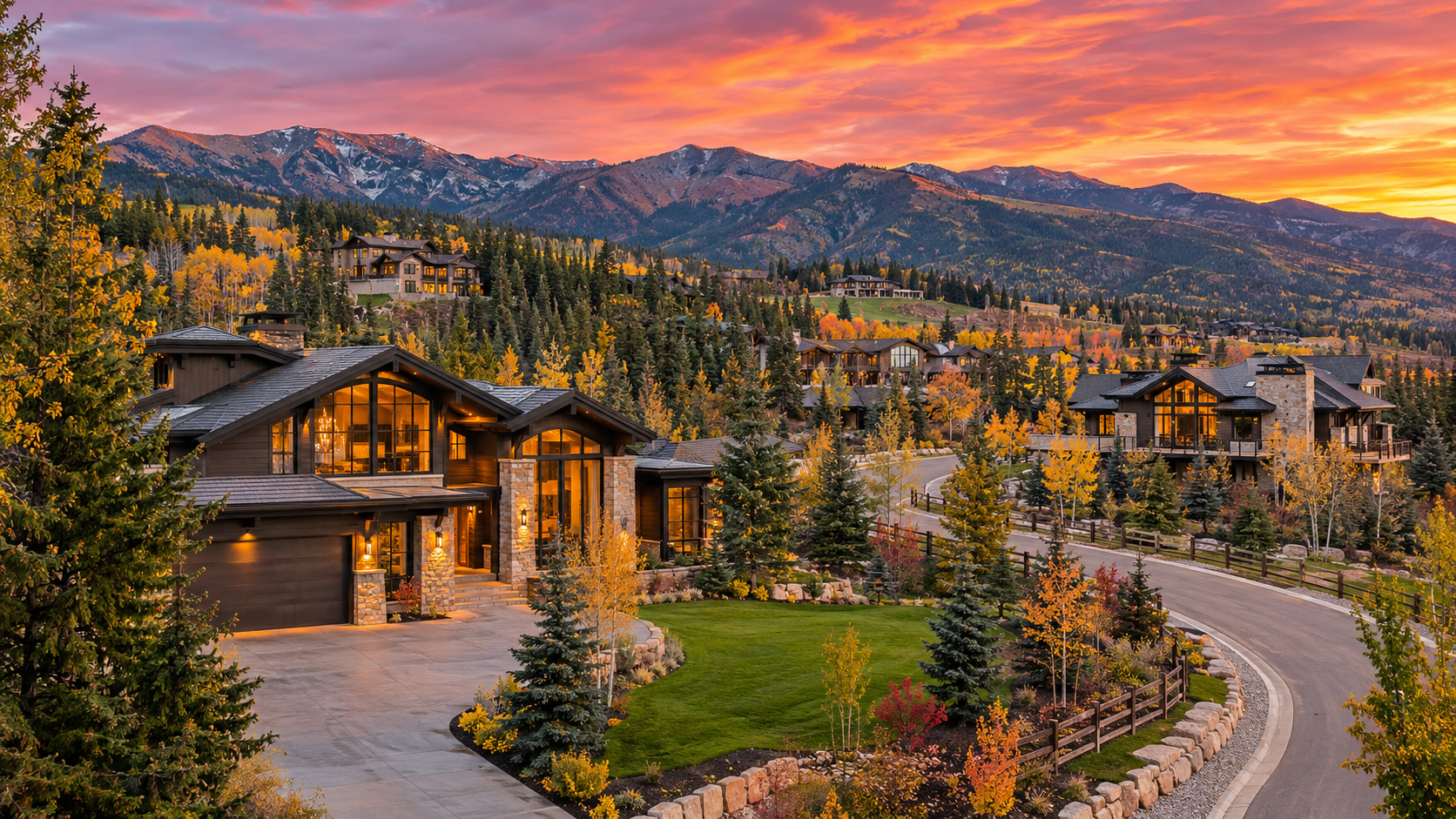
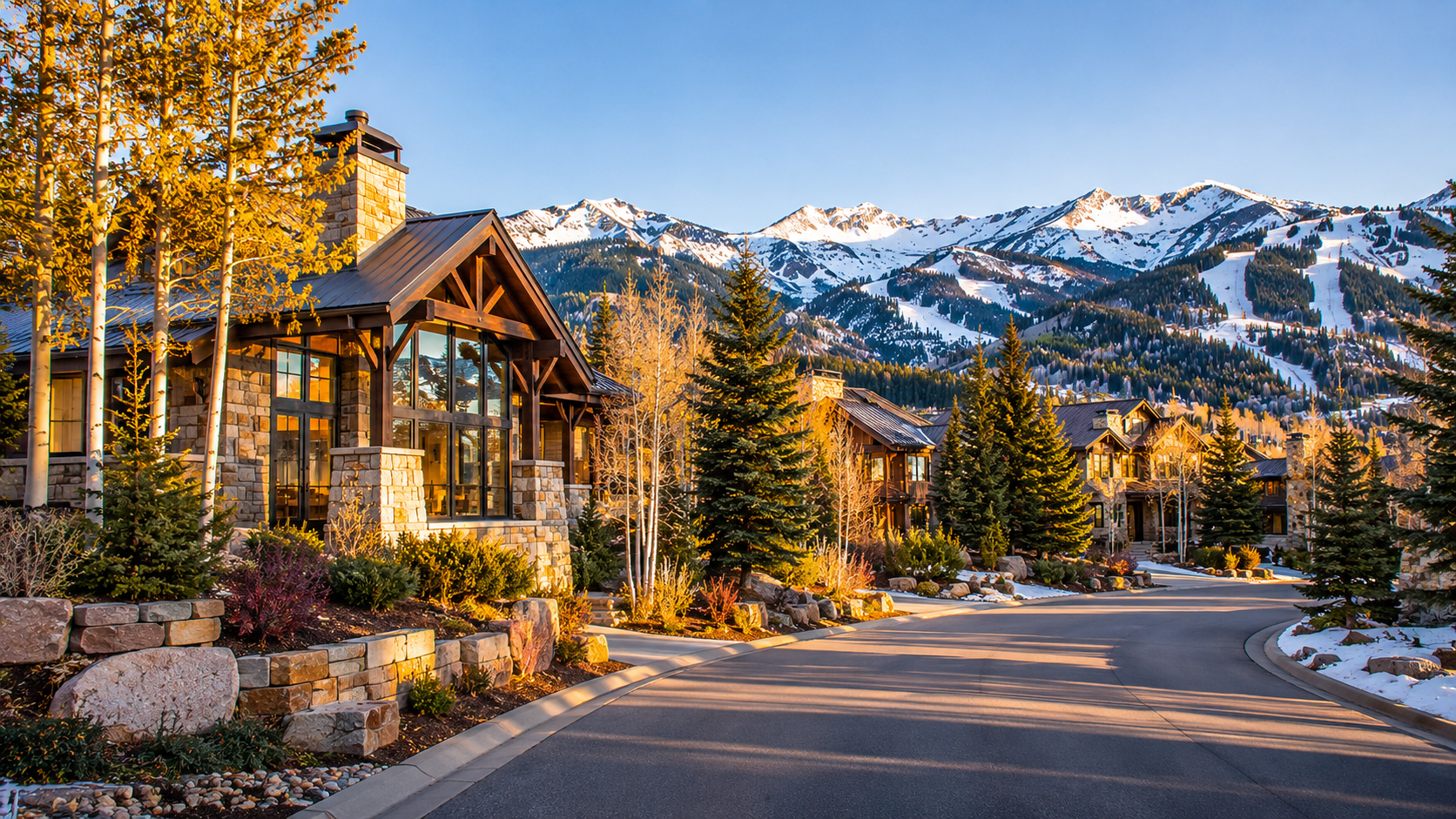
If you own a home in the Salt Lake Valley, you’ve likely built meaningful equity over the past several years. And you’ve probably spent more than a few winter weeks staring at the grey haze of an inversion, wondering what it would be like to have a place above it all in Park City, roughly 7,000 feet up and just 30 miles from downtown Salt Lake City via I-80.
Here’s the tension you’re feeling: rates are still a topic of daily conversation, and the idea of “just waiting a little longer” feels responsible. But in my experience, the opportunity cost of waiting in a market like Park City is almost always underestimated. Summit County’s homeownership rate sits at 79.55%, per FRED data based on the ACS 5-year estimate through 2024. That heavy owner-occupancy rate signals long-term value stability
So the question isn’t really about rates. It’s about whether the math works for your situation today, and whether the property you want will still be available, and at what price, six months from now.
How Your Salt Lake City Equity Can Fund a Park City Purchase
You already have the most important piece of this puzzle: equity in your primary residence. The question is how to access it without overextending yourself.
There are two primary paths. A home equity line of credit (HELOC) lets you borrow against your Salt Lake City home’s equity as a revolving credit line, typically at a variable rate. The advantage is flexibility: you draw what you need for a down payment and only pay interest on what you use. The risk is that variable rates can climb, and you’re adding a second obligation on your primary home.
A cash-out refinance replaces your existing mortgage with a new, larger one. You pocket the difference as cash for your Park City down payment. The trade-off here is significant: you’re giving up your current rate on your Salt Lake City home in exchange for today’s rate on a larger balance.
What I tell my clients is this: neither option is universally “better.” The right answer depends on your current rate, the amount of equity you’re tapping, and how long you plan to hold both properties. If your existing mortgage rate is well below current market rates, a HELOC often makes more sense because you preserve that favorable first mortgage. If the gap between your current rate and today’s rates is narrow, a cash-out refi can simplify your monthly obligations into one payment.
The critical step? Model both mortgage payments side by side before you commit. With approximately 25.21% of Summit County owner-households already spending 30% or more of their income on housing costs, according to FRED data based on the ACS 5-year estimate through 2024, you need to be clear-eyed about carrying costs.
The Real Cost of Waiting for Rates to Drop in Park City
This is where the conversation gets honest. You hear people say, “I’ll buy when rates come down.” But what does waiting actually cost you in Park City?
The FHFA maintains an All-Transactions House Price Index for Summit County that documents the long-run appreciation trend for this market. While I won’t cite a specific index value without the most current data point, the directional trend has been upward over time. That means every month you wait, the purchase price of a comparable Park City property may be moving further from where it sits today.
Let’s think about it as a math exercise. If a property you’re looking at today is priced at $775,000, and Park City values appreciate even modestly over six to twelve months, the price increase on that property could exceed whatever monthly savings a half-point rate reduction would generate — running both scenarios side by side is the only way to know.
In some cases, buyers who waited found that their target property sold and replacement options cost more, while the rate improvement was smaller than expected — which is why running the numbers on both scenarios before deciding is worth the time.
That doesn’t mean you should rush blindly. It means you should run the numbers: compare the total cost of buying today at the current rate versus buying in six months at a potentially lower rate but a higher purchase price. In many scenarios, today’s math wins. And you can always refinance later if rates do come down meaningfully.
Why Park City Properties Under $1M Are Drawing Salt Lake City Buyers
Here’s something I’m seeing firsthand in the market right now: the highest concentration of buyer interest from Salt Lake City is focused on Park City properties priced below $1 million. I have a current listing at $775,000, and the largest share of views is coming from Salt Lake City buyers.
Why is this price band so active? A few reasons:
- Financing accessibility. A property at $775,000 with 20% down means a mortgage of $620,000, though whether that balance falls within conventional loan limits depends on current conforming thresholds — confirm with your lender.
- Rental income potential. Park City’s year-round tourism economy — ski season, Sundance Film Festival, and summer outdoor recreation — supports short-term rental activity. Properties in this price range may attract a broad renter pool, though actual rental income varies and you should verify current demand with a local property manager before building it into your financial model.
- Entry point for equity-rich SLC homeowners. If you’ve built $300,000 or more in equity in your Salt Lake City home, you can potentially fund the entire down payment through a HELOC or cash-out refi without touching your savings.
This sub-$1M band represents the sweet spot where lifestyle goals and financial feasibility overlap for most Salt Lake Valley buyers. And the demand concentration I’m observing in this price band is notable.
Escaping the Inversion: The Park City Lifestyle Factor You Can’t Ignore
Not every real estate decision is purely financial. If you’ve lived through a Salt Lake Valley winter, you know exactly what I’m talking about.
The valley’s temperature inversions trap cold air and pollution below the mountain ridgeline for days or weeks at a time. You wake up to grey skies, check the air quality index, and keep the kids inside. Meanwhile, Park City, sitting at approximately 7,000 feet, is above the inversion layer. Clear skies, clean air, sunshine.
This isn’t a minor quality-of-life perk. It’s a genuine, recurring motivator for Salt Lake City homeowners, and it’s one of the reasons I see so much buyer interest flowing up I-80. The fact that Park City is roughly 30 miles from downtown Salt Lake City makes it one of the most accessible ski and resort markets relative to a major metro in the entire country. You’re not buying a vacation home five hours away. You’re buying a second home you can use on a Wednesday evening after work.
That accessibility changes the calculus on “is it worth it.” When your second home is roughly 30 miles up the canyon, you use it.
Tax and Carrying Cost Realities for a Park City Second Home
Before you sign anything, you need to understand what it actually costs to own a second home in Park City beyond the mortgage payment.
Property taxes. Utah does not offer a primary-residence homestead exemption that transfers to a second home. Your Park City property will be assessed and taxed at full market value. I’d encourage you to check with the Summit County assessor for the current rate, as it can vary. This is a carrying cost that many buyers underestimate.
The IRS 14-day rule. If you rent your Park City property for more than 14 days per year, it’s classified as a rental property for tax purposes, and IRS Publication 527 governs how you deduct expenses. The right strategy depends on how much you plan to rent versus use personally. Consult a CPA who understands both Utah state taxes and federal rental property rules before you commit to a rental strategy.
Insurance and maintenance. Mountain properties carry specific costs: snow removal, potential for frozen pipes, higher insurance premiums in some cases. Factor these into your monthly carrying cost model.
The bottom line is this: you can absolutely make the numbers work, especially if short-term rental income offsets a portion of your carrying costs. But you need to model the full picture honestly, not just the mortgage payment.
Frequently Asked Questions
How much equity do I need in my Salt Lake City home to buy in Park City?
There’s no universal threshold, but most lenders want you to retain at least 15 to 20 percent equity in your primary home after the cash-out or HELOC. If your Salt Lake City home is worth $600,000 and you owe $250,000, you may be able to access a meaningful portion of that $350,000 gap. A lender can give you an exact figure based on your specific loan-to-value requirements.
Is a HELOC or cash-out refinance better for funding a Park City down payment?
It depends on your current mortgage rate. If your Salt Lake City mortgage rate is well below today’s market rates, a HELOC often makes more sense because it preserves your favorable first mortgage. If the rate gap is small, a cash-out refinance can simplify things. I encourage buyers to model both options with a qualified mortgage advisor before choosing.
Can I rent my Park City second home to help cover the mortgage?
Yes, and many buyers plan on it. Park City’s year-round tourism economy supports short-term rental activity, though actual demand and income vary — verify with a local property manager before relying on rental income in your financial plan. However, if you rent for more than 14 days per year, IRS rules under Publication 527 apply to how you report income and deduct expenses. Talk with a CPA before committing to a rental strategy to understand the tax implications.
Will Park City home prices drop if interest rates decrease?
There’s no guarantee. Lower rates do not automatically translate to lower prices — . The FHFA All-Transactions House Price Index for Summit County shows a long-run upward appreciation trend. Lower rates don’t automatically mean lower prices, and in Park City, they may mean more competition.
What makes Park City more accessible than other Utah resort markets?
Park City is approximately 30 miles from downtown Salt Lake City via I-80. Compare that to destinations like Moab or Bear Lake, which require several hours of driving. This proximity means you’ll actually use your second home regularly, not just on long weekends.
How does the Salt Lake Valley inversion affect Park City buyer interest?
The valley’s winter inversions trap cold air and pollution below the mountain ridgeline, sometimes for weeks. Park City sits at roughly 7,000 feet, above the inversion layer, with clear skies and clean air. This is a major lifestyle motivator for Salt Lake City homeowners and a consistent driver of buyer interest in Park City properties.
What price range is most popular for Salt Lake City buyers looking at Park City?
Based on what I’m seeing in the market, properties priced below $1 million are generating the highest volume of interest from Salt Lake City buyers. This price band offers accessible financing, strong rental potential, and a realistic entry point for equity-rich valley homeowners.
Will my Park City property be taxed differently than my Salt Lake City home?
Yes. Utah does not extend a primary-residence homestead exemption to second homes. Your Park City property will be assessed and taxed at full market value. Contact the Summit County assessor for the current rate applicable to your specific property type and location.
Can I refinance my Park City mortgage later if rates drop significantly?
Generally, yes. Many buyers purchase now at current rates with a plan to refinance if rates decline meaningfully in the future. This strategy lets you lock in today’s price while preserving the option to lower your rate down the road. Refinancing costs and lender requirements will apply, so factor those into your planning.
How do I know if I can afford two mortgage payments?
Model your full monthly obligations: both mortgages, property taxes on both homes, insurance, maintenance, and any HOA or community fees. Then factor in realistic rental income if you plan to rent the Park City property. With roughly 25.21% of Summit County owner-households already spending 30% or more of income on housing costs, per FRED data from the ACS 5-year estimate through 2024, it’s essential to be conservative in your projections.
The Bottom Line
If you’re a Salt Lake City homeowner with meaningful equity, the question isn’t whether you can buy a second home in Park City. It’s whether waiting costs you more than acting. The math often favors buying now and refinancing later over waiting for a rate drop that may be offset, or exceeded, by price appreciation.
Park City offers something rare: a world-class resort community just 30 miles from a major metro, sitting above the valley inversion, with year-round rental demand and a stable ownership market.
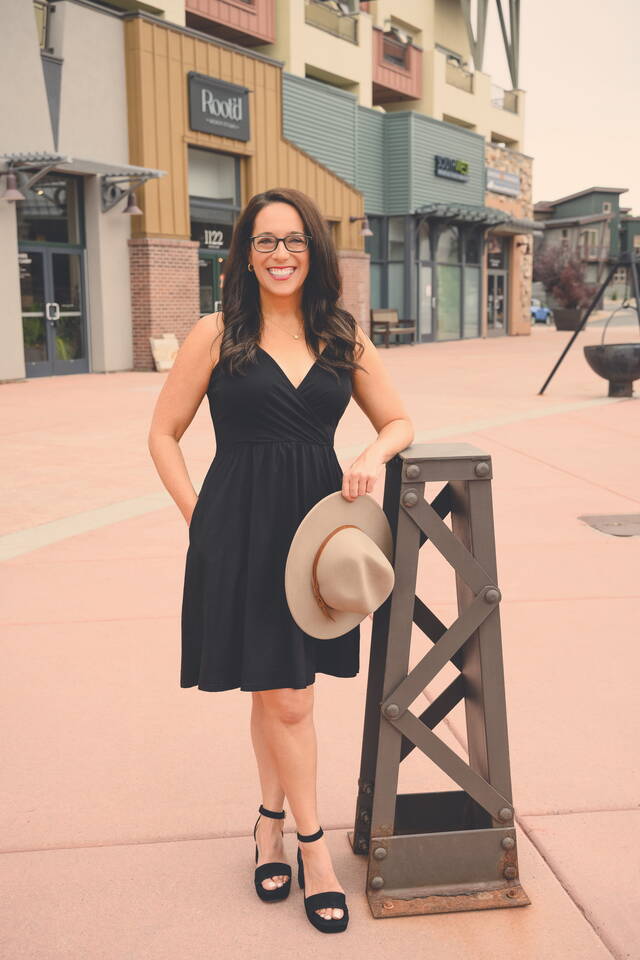
If you’d like to run the numbers on your specific situation, I’d welcome that conversation. I’m Karen Stone with Summit Sotheby’s International Realty, and I work with Salt Lake City homeowners navigating this exact decision every week. Let’s figure out whether the timing is right for you.
Contact Karen Stone, Summit Sotheby’s International Realty: call 19178581261 or visit liveeatplayparkcity.com.